Non-electric, heat-powered stove fans quietly circulate warm air generated by your wood stove, improving room comfort while using no batteries or power outlets. This guide highlights top non-electric options, explains how they work, and compares design choices like blade counts, material quality, and safety features. Each product section includes real-world considerations to help you choose a model that fits your stove, your space, and your heating goals.
| Product | Brand | Key Benefit |
|---|---|---|
| JossaColar Wood Stove Fan | JossaColar | Heat-powered, durable aluminum blade |
| Miaton Wood Stove Fan (Thermoelectric) | Miaton | Heat-to-electric powered, works in outages |
| BLFIRE Wood Stove Fan | BLFIRE | Dual motor for stronger airflow |
| GALAFIRE 4-Blade Fan | GALAFIRE | Compact, silent operation with thermometer |
| KLEVVO Wood Stove Fan | KLEVVO | Dual 3-blade design with strong magnetic base |
JossaColar Heat-Powered Stove Fan

The JossaColar stove fan activates with heat, replacing batteries or electrical power. Designed for wood stoves, log burners, and heaters, it includes a magnetic thermometer for temperature visibility. The upgraded aluminum blade enhances durability and heat distribution. The fan measures about 6.5 inches long by 7.7 inches high, providing a compact option that fits most standard stove tops while circulating warm air more effectively across the room. A 1-year warranty and a 30-day refund window offer assurance for first-time buyers. This model prioritizes reliable, maintenance-free operation in typical home heating setups.
Miaton Heat Powered Wood Stove Fan
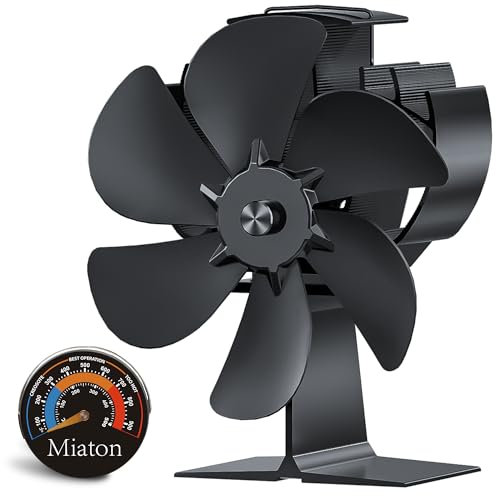
The Miaton heat-powered fan converts heat to electricity to operate, enabling use during power outages. It claims to improve wood burning efficiency by spreading heat faster and reducing wood consumption. Constructed from anodized aluminum, the fan is designed for high-temperature resistance and durability, resisting abrasion and corrosion. A built-in, low-noise operation (under 25 dB) helps maintain a quiet living environment. The base includes a safety mechanism that reduces contact with the hot surface if temperatures rise excessively, and a removable thermometer assists with ongoing temperature monitoring. A metal handle adds portability for outdoor or temporary setups.
BLFIRE Dual Motor Wood Stove Fan
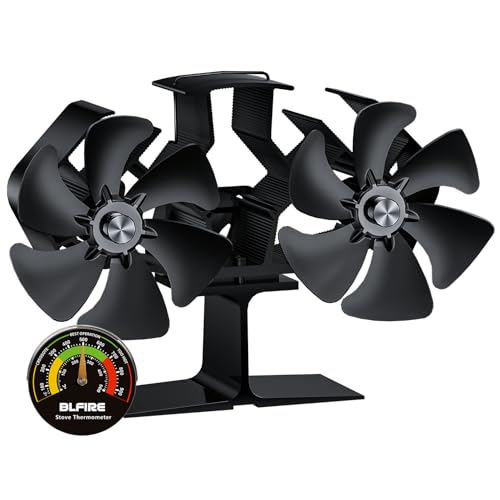
This BLFIRE model uses two motors and twelve blades to push more warm air than single-motor designs. It operates quietly (≤25 dB) while distributing warmth across the room efficiently. A temperature-sensing module lowers the fan if temperatures become too high, preventing excessive contact with the stove surface. The included thermometer helps monitor fireplace temperature, supporting safer and more controlled operation. The dual-motor setup aims to provide stronger airflow without sacrificing silence, making it suitable for larger spaces or rooms where even heat distribution matters.
GALAFIRE 4-Blade Heat Powered Fan
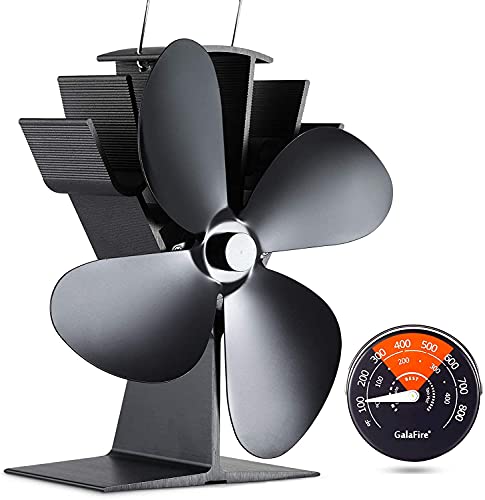
GALAFIRE offers a compact, quiet option with four blades and a magnetic thermometer for temperature monitoring. The fan starts self-powered at moderate heat (around 122°F) and can provide efficient heat distribution across various stove types, including gas, pellet, and wood-burning options. Its low profile makes it suitable for tighter spaces, while magnetic temperature monitoring aids in preventing overheating. The model emphasizes long-term reliability and silent operation, appealing to users seeking minimal noise alongside steady heat circulation.
KLEVVO Dual 3-Blade Wood Stove Fan

KLEVVO integrates two independent three-blade fans to maximize airflow and heat distribution. The built-in strong magnet base provides stable attachment to metal surfaces, reducing movement on the stove top. The design emphasizes ultra-quiet performance (below 25 dB) with a thermoelectric module that sustains powerful airflow without intrusive noise. The dual-blade configuration is intended for larger rooms or spaces where more aggressive heat diffusion is desired, all while avoiding external power sources.
Miaton Oscillating Wood Stove Fan
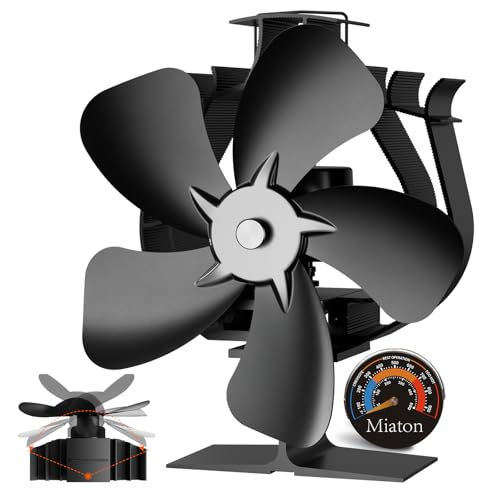
Designed for non-disassembly use, this Miaton model starts spinning when the stove reaches about 60°C and oscillates automatically at higher temperatures to widen heat distribution. With a 60-degree panning angle, the fan covers a broader area and heats rooms more quickly. The all-aluminum construction enhances durability and corrosion resistance, supporting long-term use with various heaters. An oscillating feature adds dynamic warmth coverage, helpful in larger living areas where even heat is essential.
Buying Guide: Key Purchase Considerations
- Heat range and start temperature: Look for fans that start around 50–60°C and distribute heat effectively at typical stove temperatures. Lower start temperatures enable quicker warmth in colder spaces, but ensure the design tolerates the stove’s peak temperatures.
- Blade design and airflow: More blades or dual-motor setups typically yield stronger airflow. Consider whether you need uniform distribution across a wide room or targeted heating in a smaller area.
- Materials and durability: Aluminum blades resist heat and corrosion, while sturdy bases and anti-tip features improve longevity in busy hearth areas.
- Noise level: Most non-electric stove fans run quietly, but check decibel ratings (often ≤25 dB) if you need near-silent operation in living rooms or bedrooms.
- Safety features: Temperature sensing modules that lift or separate the fan from direct contact with the hottest stove surface can prevent damage and intensify safety.
- Temperature monitoring: Built-in thermometers help you manage stove heat and maintain comfortable room temperatures without guesswork.
- Maintenance and warranty: Look for warranties ranging from 1–2 years and include clear policies on returns or replacements for peace of mind.
- Compatibility: Ensure the fan fits your stove type (wood, pellet, gas) and that its size aligns with the available space above or around the stove.
- Portability and mounting: Some fans rely on magnets for attachment, while others are designed for stable placement. Consider how you’ll relocate the unit if you use more than one heating source.