Dreaming of café-quality espresso at home? A pressure-profile approach focuses on reliable extraction pressure, precise temperature control, and effective milk frothing to deliver rich crema and balanced flavors. The following five machines prioritize robust pressure systems, clear gauges or indicators, and efficient heating for quick, repeatable results in kitchens, small offices, or dorm rooms. Each option balances a compact footprint with durable construction and practical features, so you can pull consistently excellent shots without a professional café. The summary below highlights core specs at a glance, followed by in-depth sections for each model.
| Product | Brand | Max Pressure | Notable Feature |
|---|---|---|---|
| atatix Espresso Machine | atatix | 20 Bar | Milk Frother; Fast Preheat |
| Neretva Espresso Machine | Neretva | 15 Bar | Visible Gauge; Pre-infusion |
| De’Longhi Stilosa | De’Longhi | 15 Bar | Manual Steam Wand; Tamper Included |
| CASABREWS CM5418 | CASABREWS | 20 Bar | Pressure Gauge; 34oz Water Tank |
| Gevi 20 Bar Espresso Maker | Gevi | 20 Bar | Milk Frother; Stainless Steel |
atatix 20 Bar Espresso Maker

atatix offers a compact, stainless steel body with a professional 20-bar pump and a robust 1350 W motor. This combination aims to deliver pressurized extraction that yields a crema-rich shot and aromatic espresso. A built-in milk frother supports creamy lattes and foamy cappuccinos, appealing to home baristas who want café-style drinks without switching devices. The machine’s NTC temperature control ensures water reaches the correct temperature for consistent extractions, while automatic preheating speeds up readiness, reducing the wait between grinding and brewing. The 2-in-1 semi-automatic design provides straightforward control for home or small office use.
In practice, the milk frother enables textured microfoam for latte art and layered beverages without dedicated equipment. The design emphasizes ease of use: simple on/off operation with programmable heating and steaming sequences. For users new to espresso, dialing in grind size and tamp pressure will influence crema, sweetness, and body. The machine’s solid construction and compact footprint make it suitable for countertops where space is at a premium, yet it remains capable of producing consistent shots when properly maintained.
Potential considerations include ensuring a proper grind consistency and an even tamp to maximize pressure stability. While 20 bar provides strong extraction, some users may prefer subtle, low-pressure preinfusion for lighter roasts. Cleaning the steam wand after each use helps preserve milk texture, and periodic descaling supports long-term performance. Overall, this model suits enthusiasts who want a strong balance of power, speed, and ease of use in a compact package.
Neretva 15 Bar Espresso Machine

The Neretva espresso machine emphasizes a visible pressure gauge to help users tailor extraction pressure to personal taste. With a 15-bar system and a robust 1450 W boiler, it supports a range of beverages from intense espressos to airy milk-based drinks like lattes and cappuccinos. A pre-infusion function gradually increases pressure at the start of extraction, helping to draw out flavors evenly and reduce air bubbles that can skew balance. An automatic pressure relief (via an over-pressure valve) protects the boiler and maintains consistent taste during use.
Designed for home baristas who value feedback, the gauge provides real-time insight into the brew stage, enabling more precise dialing of grind size and tamp pressure. The stainless steel construction promises durability, while the milk frother enables creamy foams for rich café drinks. Beginner to intermediate users can achieve balanced results by following the gauge-guided steps and allowing the boiler to reach stable temperatures before pulling a shot. Regular cleaning of the steam wand supports hygienic operation and consistent foaming performance.
Users should consider water quality, grind consistency, and a stable countertop setup to minimize vibrations that can affect extraction. The 15-bar system is well-suited for a range of roasts, but achieving the ideal shot may require experimenting with dosing and grind size. Overall, the Neretva offers reliable performance with essential pressure feedback for home baristas seeking control without complexity.
De’Longhi Stilosa Manual Espresso
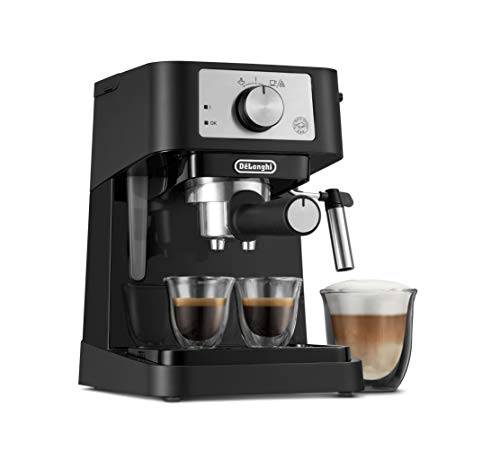
De’Longhi Stilosa is a compact, stylish option that delivers authentic espresso with a traditional 15-bar pump. The machine focuses on simplicity and manual control, making it an attractive choice for beginners who want a hands-on experience. A manual milk frother/steam wand supports creating foam for cappuccinos and lattes, while the included tamper facilitates consistent tamp pressure for reliable extractions. The Stilosa’s small footprint makes it suitable for kitchens with limited counter space, and its straightforward design reduces setup time for daily use.
Because it relies on manual operation, achieving the optimal extraction can require practice, especially for users new to espresso. Temperature stability and warm-up time play a key role; preheating the machine and bedding the shot before pulling can help minimize thermal shocks and inconsistency. The Stilosa is best-suited for those who value a compact, classic lever-style process and want to develop barista skills gradually without bulky equipment.
Maintenance involves regular cleaning of the group head, portafilter, and steam wand to prevent milk residue buildup. The absence of advanced automation means more hands-on adjustments, which can be rewarding for enthusiasts seeking control over every step of extraction. Overall, this model offers a reliable, entry-level path to authentic espresso with room to grow into more advanced techniques.
CASABREWS CM5418 Espresso Machine

The CASABREWS CM5418 combines a 20-bar professional pump with a stainless steel body and a sizable 34-ounce water tank. The built-in pressure gauge provides real-time feedback during extraction, helping you dial in pressure for different roasts and personal taste preferences. The machine also offers a milk frothing system, enabling cappuccinos and lattes, making it a versatile choice for home or office use. Its durable construction and stainless exterior give it a modern, timeless look that fits a range of kitchen styles.
For newcomers, the gauge and pre-infusion features can simplify the learning curve, as you can observe how pressure behaves during extraction. The 20-bar system tends to deliver strong crema and bold flavors, though some roasters may require adjustments to grind size and dose to prevent over-extraction. The removable water tank adds convenience for refills during busy mornings or small office setups. Overall, CASABREWS presents a balanced package of performance, visibility, and longevity for espresso enthusiasts.
Maintenance steps include regular backflushing if supported, descaling on a schedule, and thorough cleaning of the steam wand after use. Users who value a sturdy, gauge-guided machine with ample water capacity will likely appreciate its reliability and straightforward operation as a daily driver for espresso, cappuccinos, and macchiatos.
Gevi 20 Bar Espresso Maker

Gevi’s espresso machine embraces a stainless steel housing with a 20-bar pump and an efficient steam system. A built-in pressure gauge and a reliable temperature control system support consistent extractions, while the milk frother allows rich microfoam for lattes and cappuccinos. The machine’s compact design complements modern kitchens, offices, or shared spaces where durability and ease of maintenance are valuable. The frothing wand is designed for quick operation, and the removable components facilitate cleaning between uses.
The Gevi model emphasizes a balance of performance and durability, appealing to home baristas who want cafe-style beverages without complex setups. With a sturdy steam wand and a robust boiler, you can pull multiple shots in succession with reasonable recovery times. Users should ensure proper preheating and consistent grind size to maximize crema and flavor. The stainless finish also resists everyday wear and is relatively easy to sanitize after milk-based drinks. Overall, Gevi offers a solid, all-around option for those seeking a capable 20-bar machine with reliable foaming capabilities.
Buying Guide
Choosing the right pressure-profile espresso machine involves balancing extraction pressure, temperature stability, and milk-frothing capability against space, routine, and skill level. The models above emphasize two main pressure ranges (15–20 bar) and include features that help manage heat and texture. Below are key purchase considerations and how they apply across different user scenarios.
- Pressure range and gauge feedback. A 20-bar pump can deliver strong crema and bold flavors, but real-world results depend on grind size, dose, and tamp. A visible gauge or clear indicators helps you monitor pressure during extraction and adjust as needed.
- Temperature control and heating speed. Machines with NTC temperature control and fast preheating reduce thermal shock and stabilize shot timing. Consider whether you want quick pull times for busy mornings or more deliberate, craft-focused sessions.
- Milk frothing capability. Steam wands and integrated frothers vary in foam quality. A powerful steam wand typically yields creamier microfoam for latte art, while some models offer simpler frothing for basic cappuccinos.
- Boiler size, power, and heat recovery. Larger boilers and higher wattage support multiple shots back-to-back, but may affect footprint and energy usage. In smaller kitchens, a compact machine with efficient heat management can be more practical.
- Construction and materials. Stainless steel housings resist corrosion and look sleek, but ensure easy access for cleaning and maintenance. Removable water tanks and dishwasher-safe components simplify daily use.
- Ease of use and maintenance. Entry-level machines benefit from clear instructions, straightforward cleaning routines, and accessible parts (steam wand, portafilter, baskets). More advanced models may require routine backflushing or descaling.
- Suitability for home vs. office. Office environments may prioritize reliability, ease of use, and the ability to produce drinks for multiple people. Home setups can emphasize control, customization, and compact footprint.
- Grinder integration. Some espresso machines include built-in grinders for convenience, while others require pre-ground coffee. If you value streamlined operation, a grinder-integrated model can save time and ensure consistent grind size.
Across these considerations, the best choice depends on how you plan to use the machine. For coffee lovers who want strong extraction with clear pressure feedback, units with a visible gauge and 20-bar pumps are compelling. If you prefer hands-on control and a traditional espresso experience, a 15-bar machine with a manual steam wand offers a rewarding learning curve. For multi-drink versatility, look for a model with a reliable frother and straightforward cleaning. Regardless of price, prioritize stability, ease of maintenance, and the ability to dial in your preferred roast profile.