Choosing a reliable natural gas heater for a garage or workshop involves evaluating BTU output, heat distribution, venting or vent-free operation, installation flexibility, and safety features. This guide highlights top units designed to heat spaces from compact workshops to larger garages, helping you compare options for efficient, dependable warmth.
| Product | BTU | Approximate Area |
|---|---|---|
| Mr. Heater F260560 Big Maxx MHU80NG | 80,000 | Up to ~2,667 sq ft |
| Modine HD45AS0111 Natural Gas Hot Dawg | 45,000 | Industrial/Residential spaces |
| Dyna-Glo BFSS30NGT-4N | 30,000 | Up to ~1,000 sq ft |
| Comfort Glow 30,000 BTU Indoor Gas Heater | 30,000 | Up to ~1,250 sq ft |
| Dyna-Glo IR30NMDG-1 | 30,000 | Up to ~1,000 sq ft |
The following selections emphasize versatility, durability, and space coverage suitable for various garage layouts. Each product section includes installation notes and key features drawn from the manufacturer specifications.
Mr. Heater F260560 Big Maxx MHU80NG
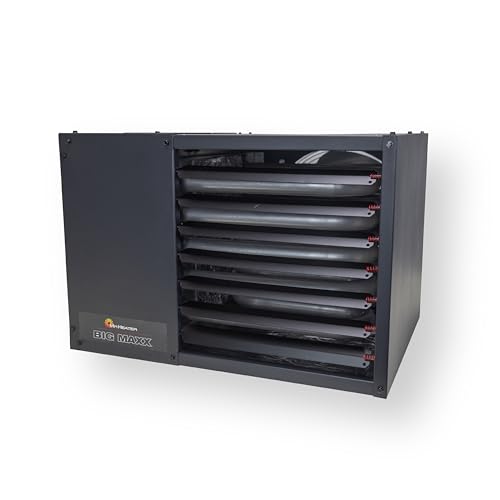
Overview: A ceiling-mounted natural gas unit heater designed for garages, barns, and workshops. It delivers up to 80,000 BTU to heat large spaces efficiently. It’s compatible with standard 24-volt thermostats or newer WI-F enabled thermostats (sold separately). The unit’s design prioritizes robust air output to create a comfortable working environment despite large footprints.
Key considerations: Suited for sizable spaces up to approximately 2,667 square feet, which makes it ideal for multi-car garages or open workshop layouts. Installation requires ceiling mounting and appropriate venting or exhaust planning where applicable. Thermostat compatibility allows integration with existing climate control systems, enhancing energy efficiency and user control.
Modine HD45AS0111 Natural Gas Hot Dawg
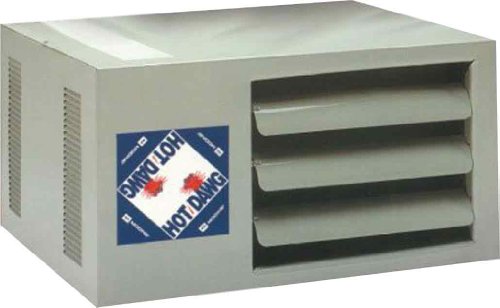
Overview: A compact natural gas heater engineered for residential, commercial, and light industrial use. The 45,000 BTU unit emphasizes quiet operation and a low-profile design with a neutral color to blend into various settings. It’s suitable for spaces that require reliable heat without a large footprint.
Key considerations: Moderate BTU output for mid-sized garages or workshops. Suitable for installations where a low-profile heater is preferred. Ensure proper venting and compliance with local codes, especially for indoor installations where exhaust handling matters.
Dyna-Glo BFSS30NGT-4N 30,000 BTU

Overview: A 30,000 BTU natural gas vent-free heater featuring blue flame technology and a wall-mount design. It provides heat through convection to the surrounding air and warms up to 1,000 square feet. The unit is designed for spaces where a vent-free option is preferred.
Key considerations: The heater’s vent-free design requires careful room sizing to avoid overheating. Consider clearances from walls and combustibles, and verify local code allowances for vent-free gas appliances. This model includes thermostat control for adjustable heat output within a comfortable range.
Comfort Glow 30,000 BTU Indoor Gas Heater

Overview: This vent-free infrared radiant heater delivers 30,000 BTUs of warmth, suitable for indoor use in spaces up to about 1,250 square feet. It operates without electricity, making it a reliable option during power outages. The unit supports wall mounting, with a floor mounting kit available for portability.
Key considerations: Vent-free operation simplifies installation but requires proper sizing to avoid overheating. The absence of electricity can be advantageous in remote or off-grid settings, though you’ll want to verify voltage needs for components like the thermostat and ignition system. Energy-efficient infrared warmth targets objects and occupants directly for quick comfort.
Dyna-Glo IR30NMDG-1 30,000 BTU

Overview: A 30,000 BTU natural gas infrared wall heater that uses infrared technology to warm objects and people in its path. It heats up to roughly 1,000 square feet and is designed for wall mounting to maximize space efficiency in smaller garages or workshops.
Key considerations: Infrared heat provides rapid comfort, but ensure appropriate clearances and mounting height for optimal operation. This model’s wall-mount design helps free floor space, which can be beneficial in tighter workshop layouts. As with other gas heaters, verify venting and ventilation requirements per local codes.
Buying Guide: Key Purchase Considerations
Space size, BTU needs, and heat distribution
Match BTU output to the space you intend to heat. Larger garages may require high-capacity units (e.g., 60,000+ BTU) or multiple smaller units. Consider how heat will distribute—ceiling-mounted units push heated air downward, while vent-free or infrared models heat occupants and objects directly, which can impact comfort in irregular layouts.
Ventilation, venting, and installation
Vent-free heaters are popular for easy installation but require adequate room volume and clearance to prevent overheating. Vented units may need proper ducting or exhaust installation depending on garage construction. Always follow manufacturer installation instructions and local codes to ensure safe operation.
Control options and energy efficiency
Thermostat compatibility (24-volt or WI-FI enabled) can improve efficiency by maintaining consistent temperatures and reducing fuel use. Some heaters feature built-in thermostats with High/Medium/Low settings, while others rely on external thermostats. Consider units with adjustable heat outputs to fine-tune comfort and fuel consumption.
Durability and environmental considerations
Garages can be damp, dusty, and subject to temperature swings. Look for rugged cabinets, corrosion-resistant components, and sealed ignition systems. Units designed for continuous operation in unconditioned spaces may better withstand daily use. For colder climates, prioritize models with reliable ignition and safe clearance margins.
Safety features and maintenance
Check for tip-over and flame failure safety mechanisms, proper carbon monoxide considerations, and accessible service requirements. Vent-free units should have adequate combustion air and compliance with local regulations. Routine maintenance, including venting checks (where applicable) and periodic inspection of gas connections, helps ensure long-term reliability.
Installation feasibility and cost considerations
Ceiling-mounted or wall-mounted installations maximize floor space in garages but require proper mounting hardware and structural support. Venting requirements may influence installation complexity and cost. Compare total cost of ownership, including installation, maintenance, and expected lifespan, when evaluating options.
Overall, this selection balances high heat output, flexible installation, and reliable performance in typical American garages and workshops. When choosing a unit, consider the layout of your space, local climate, and whether you prefer vented or vent-free operation to optimize safety and comfort.