When selecting a hybrid wood stove setup, homeowners seek models and components that maximize heat, reduce emissions, and minimize fuel use. The following picks combine durable construction with advanced combustion or versatile design features. Each option is evaluated for efficiency, emissions, and suitability for American homes. A quick comparison table after the intro helps you scan key traits at a glance.
| Product | Brand | Type | Key Benefit | URL |
|---|---|---|---|---|
| Midwest Hearth Wood Stove Catalytic Combustor Replacement Catalyst FPX (Ceramic) | Midwest Hearth | Catalytic Combustor | Low emissions, extended burn time | View |
| Midwest Hearth Wood Stove Catalytic Combustor Replacement Catalyst FPX (Metal) | Midwest Hearth | Catalytic Combustor | High-quality materials, pollution reduction | View |
| Cleveland Iron Works Single Burn Rate Erie Wood Stove | Cleveland Iron Works | Wood Stove | Baseload heat with simple controls | View |
| Pleasant Hearth Small Wood Burning Stove | Pleasant Hearth | Wood Stove | EPA certified for mid-size spaces | View |
| Canyon Lodge Medium Wood Stove | Canyon Lodge | Wood Stove | Large firebox with good heat distribution | View |
Midwest Hearth Catalytic Combustor, Ceramic (FPX)
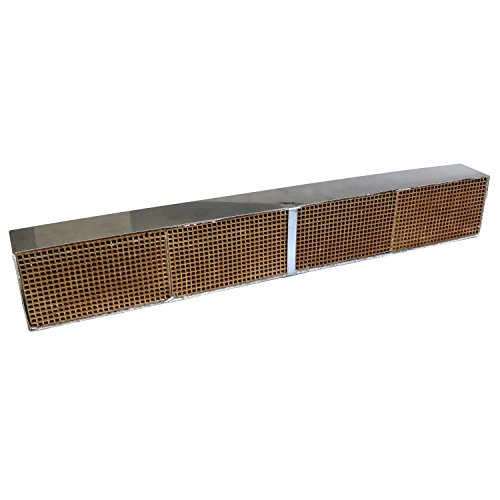
The Midwest Hearth catalytic combustor is designed to enhance hybrid wood stove performance by improving catalytic efficiency. Its ceramic construction supports reliable reactions that lower particulate emissions while maintaining steady heat output. Engineered for longevity, it is positioned to extend burn times and reduce fuel consumption.
Key features emphasize environmental benefits and cost savings: 70% reduction in harmful emissions, lower wood use to achieve similar heat, and burn times extended by up to eight hours compared with non-catalytic stoves. This makes it a strong choice for users seeking cleaner operation in mixed-heating setups.
Midwest Hearth Catalytic Combustor, Metal (FPX)

Another variant of the Midwest Hearth catalytic combustor uses metal construction to withstand heat and wear in hybrid wood-burning configurations. The blend of ceramic and metal design aims to sustain efficient catalytic performance across varying burn conditions.
Its core advantages mirror the ceramic version: significant emissions reduction, potential wood-saving benefits, and longer burn intervals. This makes it suitable for households prioritizing cleaner air and more economical fuel usage in a hybrid system.
Cleveland Iron Works Erie Wood Stove

The Erie model from Cleveland Iron Works targets mid-to-large spaces with practical burn control. It heats efficiently up to 900 square feet and accommodates up to 18-inch logs for longer, steadier burns. A straightforward design supports reliable performance and easy upkeep.
Notable specs include a manageable heat output range and a basic warranty, enabling predictable operation for homeowners seeking dependable heat delivery as part of a hybrid strategy that leverages wood heat alongside other heating sources.
Pleasant Hearth 1,200 Sq. Ft. Small Wood Stove

Designed for compact to mid-sized spaces, this Pleasant Hearth model delivers EPA-certified performance with a robust 74,000 BTU/hr capacity. It supports up to 17-inch logs and features a large ceramic glass viewing window for an inviting flame view. The built-in Air Wash System helps maintain a clear window and efficient combustion.
With USA-made construction and a focus on reliability, this stove aligns with hybrid-use goals by providing steady wood heat while fitting into homes that pair traditional stoves with supplemental systems.
Canyon Lodge Medium Wood Stove

The Canyon Lodge medium wood stove emphasizes heat distribution across larger living areas. With a brick-lined firebox and a cast iron door that features a viewing window, it combines traditional aesthetics with solid performance. Its design aims to maximize radiant heat while maintaining a manageable footprint in typical homes.
Ideal for homes seeking a reliable primary heat source within a hybrid system, it emphasizes durability and steady output rather than high-tech features, offering long-term value through robust construction and straightforward operation.
Ashley Hearth US Stove BCAC Automatic Coal Circulator Heater

This unit blends traditional coal-burning capability with automatic thermal control. Its heavy-duty cast iron grates and non-electric thermostat provide steady comfort without reliance on electricity, making it a practical choice for robust hybrid setups where some automation is desired without grid-dependent components.
Features such as long-lasting firebrick lining and durable construction support extended service life, while the lack of electric controls can be advantageous in off-grid or backup heating scenarios in homes configured for hybrid heating strategies.
Buying Guide: Hybrid Wood Stove Purchase Considerations
- Heat area and capacity: Match stove output and burn rate to the size of the space. Heaters rated for smaller rooms may not perform well as a primary heat source in larger living areas.
- Emissions and efficiency: Look for EPA certification and catalytic vs. non-catalytic designs. Catalytic systems often reduce emissions but require maintenance and replacement parts over time.
- Fuel flexibility: Some stoves favor wood only, while hybrids and accessories support coal, pellets, or dual modes. Consider available fuel types for your home.
- Ventilation and installation: Proper chimney sizing, clearances, and professional installation are critical for safety and performance in any hybrid setup.
- Durability and materials: Cast iron and steel builds influence heat retention, maintenance needs, and long-term value in a hybrid system.
- Operational simplicity: User-friendly controls and automation can improve consistency, while non-electric components may offer resilience during outages.
- Maintenance: Inspect gaskets, gaskets seals, and catalytic components regularly. Replacement parts outlasted by regular upkeep minimize downtime and maintain efficiency.
- Cost of ownership: Consider initial price, installation costs, and potential savings from reduced fuel use and emissions over time.
- Compatibility with other heating sources: If you plan to pair with a furnace, heat pump, or solar heating, assess how the stove integrates with existing systems and controls.
- Warranty and support: A solid warranty and accessible customer service help mitigate maintenance costs and ensure parts availability.