Starting a café-quality routine at home is easier than you think. The top beginner espresso machines combine user-friendly controls, reliable pressure, and built-in frothing to help you craft café-style drinks without professional training. Below are five approachable models that balance simplicity with performance, each paired with a quick overview to help you compare at a glance.
| Product | Key Features | Ideal For |
|---|---|---|
| CASABREWS CM5418 | 20 Bar pressure, milk frother, compact stainless steel, removable water tank | Home users seeking barista-like drinks and a small footprint |
| Breville Barista Express BES870XL | Integrated grinder, 4 keys formula, adjustable dose, low pressure pre-infusion | Entrants who want bean-to-cup versatility and built-in grinding |
| atatix Espresso Machine | 20 Bar system, milk frother, compact stainless steel, temperature control | New shoppers needing dependable pressure and user-friendly frothing |
| Gevi Commercial Espresso | 20-bar pump, milk frother, stainless steel, compact design | Families or shared kitchens seeking durable, capable device |
| De’Longhi Stilosa | 15 Bar pump, manual frother, compact footprint, simple operation | First-time buyers wanting straightforward espresso and microfoam |
CASABREWS CM5418 Espresso Machine

The CASABREWS CM5418 is designed for home use with a 20-bar professional pump and a compact stainless steel body. It includes a milk frother for lattes and cappuccinos, and a removable 34-ounce water tank for convenient refills. A built-in pressure gauge helps you monitor extraction pressure, aiding consistency. The dual-use functionality supports easy espresso shots and milk-based drinks, making it a solid entry point for beginners seeking café-quality beverages at home.
Breville Barista Express Espresso Machine BES870XL

The Breville Barista Express combines a built-in grinder with a forged steel ethos for home espresso. Its integrated precision burr grinder delivers fresh grounds directly into the portafilter, while the 4 keys formula focuses on balancing grind size, dose, water temperature, and pressure. The machine’s low-pressure pre-infusion helps even extraction for a smooth shot, making it a compelling choice for beginners who want to explore espresso nuances without purchasing multiple devices.
atatix Espresso Machine With Milk Frother

The atatix model emphasizes a 20-bar system with a built-in milk frother, offering both automatic and manual modes. Its compact stainless steel build fits small kitchens while enabling café-style drinks like cappuccinos and lattes. Technical features include precise temperature control and a focus on consistent extraction to help new users develop barista-like routines without extensive equipment or training.
Gevi Commercial Espresso With Milk Frother

The Gevi model emphasizes café-quality capability in a compact frame. A 20-bar pump, NTC temperature control, and a pressure gauge support precise extraction for a range of drinks from espresso to macchiato. The powerful steam wand turns milk into silky microfoam, while the stainless-steel housing provides a durable, modern aesthetic suitable for most kitchens. It’s positioned as a versatile option for households that want experimentation as they learn.
De’Longhi Stilosa Manual Espresso Machine
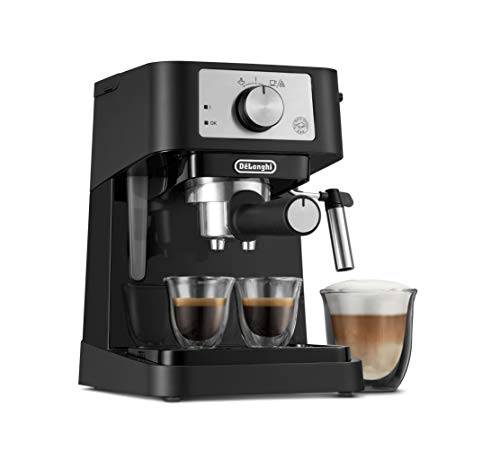
The De’Longhi Stilosa offers a compact footprint with a straightforward 15-bar pump and a manual steam wand. This model is designed for users seeking a traditional espresso experience with a simple, approachable interface. The tamper included helps beginners achieve consistent tamping, while the manual frother allows practice with texture and milk foam to craft classic cappuccinos or lattes.
CASABREWS 3700 Essential Espresso

The CASABREWS 3700 Essential brings a robust 20-bar system with a 1350 W motor in a stainless steel housing. A dedicated milk frother allows for latte art and creamy microfoam. The design emphasizes reliability and ease of use, making it a practical option for beginners who want strong, consistent shots and a versatile milk-based drinks repertoire in a compact machine.
Buying Guide
Key purchase considerations for beginner espresso machines include:
- Ease of use: Look for intuitive controls and clear indicators such as pressure gauges or guided programs. A simple on/off switch and straightforward frothing controls help new users learn quickly.
- Pressure and temperature control: A reliable 15–20 bar pump and stable temperature control support consistent extraction and crema. Built-in temperature control or pre-infusion features aid flavor development.
- Milk frothing performance: A quality steam wand or integrated frother helps you master milk texture for lattes and cappuccinos. Detachable or easily cleanable frothers are a plus for maintenance.
- Size and footprint: Compact designs suit smaller kitchens or offices. Ensure the water reservoir size aligns with your drinking frequency to avoid frequent refills.
- Grinder availability: Some beginners benefit from integrated grinders to ensure fresh grounds. If you don’t want to grind, consider models with direct portafilter dosing from pre-ground options.
- Maintenance and durability: Stainless steel construction, accessible cleaning features, and straightforward descaling routines reduce long-term upkeep.
- Budget and value: Balance upfront cost with durability and included features. A machine with adaptable settings can remain useful as you improve your skills.
For first-time buyers, prioritizing a combination of a reliable pump pressure, efficient milk frothing, and a compact footprint can yield the most satisfying initial espresso experience. If you value bean-to-cup flexibility, consider models with integrated grinders. Always verify warranty terms and available customer support in case you encounter issues during setup or use.