Choosing the right blender for protein smoothies depends on power, blade design, durability, and ease of cleaning. This guide highlights five top performers widely used for protein shakes, meal prep, and on-the-go blends. Each model blends fruits, vegetables, and protein powders smoothly while offering practical features like to-go cups, dishwasher-safe parts, and reliable motor strength. Read on to compare features and find the blender that best fits your routine and taste preferences.
| Product | Key Benefit | Power | Capacity |
|---|---|---|---|
| Ninja Fit Compact Personal Blender QB3001SS | Portable personal blending with pulse control | 700 W | 2 x 16 oz cups |
| Ninja BN301 Nutri-Blender Plus | 3 to-go cups with spout lids for on-the-go | 900 W | 3 x 20 oz cups |
| nutribullet Personal Blender NBR-0601WM | Compact, simple power for quick smoothies | 600 W | 24 oz |
| Ninja BN701 Professional Plus | High power with Auto-iQ for controlled blending | 1400 W peak | 72 oz pitcher |
| Ninja Professional Blender BL610 | Versatile full-size blender for family blends | 1000 W | 72 oz pitcher |
Ninja Fit Compact Personal Blender QB3001SS

The Ninja Fit QB3001SS uses a 700-watt base with Pulse Technology to power through ingredients in the cup. Its design supports blending fruits, vegetables, and protein powders, turning whole produce into smooth drinks. The included 2 x 16 oz cups with spout lids enable quick, portable smoothies, ideal for busy mornings or post-workouts. The motor’s strength assists with crushing ice and frozen ingredients, providing a versatile option for protein shakes and frozen beverages.
Ninja BN301 Nutri-Blender Plus

The BN301 blends with a 900-watt base and Pro Extractor blades to crush ice and breakdown whole fruits and veggies effectively. It includes three 20 oz To-Go Cups with spout lids, supporting direct blending and portability. A Storage Lid helps keep blends fresh. This model suits daily smoothie routines, protein shakes, and sauces, offering convenient on-the-go blending without sacrificing nutrient extraction.
nutribullet Personal Blender NBR-0601WM
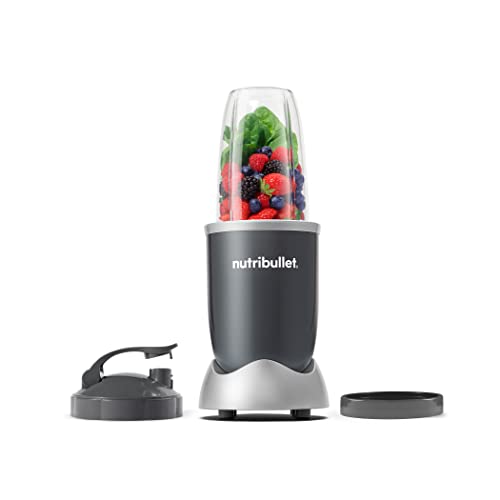
The original nutribullet blends with 600 watts of power, designed for quick smoothies by turning fruits and vegetables into smooth, drinkable nutrition. Its compact size helps with easy storage, and it’s effective for single servings where protein powder is added for post-workout recovery. The simple design is aimed at effortless everyday use for people seeking a straightforward blending experience.
Ninja | Nutri Pro Single Serve
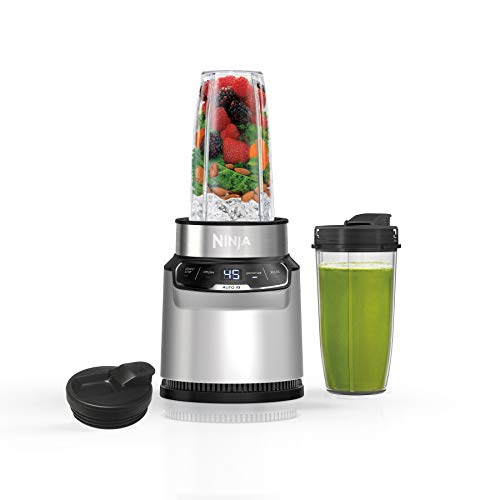
The Nutri Pro delivers a 1000-peak-watt motor to power through dense ingredients, with two Auto-iQ programs that automate blending for smoothies and crushed ice. This model emphasizes efficiency and consistency, producing drinks with smooth textures ideal for protein shakes with added seeds, powders, or greens. The dual-program setup minimizes manual control for quick, repeatable results.
Ninja Professional Blender BL610
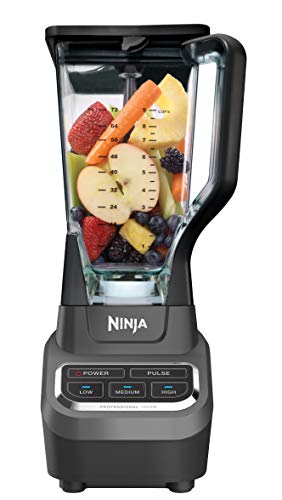
The BL610 brings professional power with a 1000-watt motor and Total Crushing Technology to pulverize ice, fruits, and vegetables in seconds. Its large, 72-ounce pitcher is ideal for families or meal-prep routines, making multiple protein shakes at once. The durable blades and efficient motor support smooth textures, even when blending fibrous greens or seeds with protein powders.
Buying Guide: Key Purchase Considerations For Protein Smoothies
- Power and blade design: For protein shakes, a blender with at least 600 watts is a good baseline; higher wattage and robust blades improve handling of fibrous greens, seeds, and frozen ingredients.
- Capacity and serving options: Personal models are ideal for single servings and portability, while full-size blenders suit family use and batch-prep. Consider whether cups with lids or to-go containers are included for convenience.
- Nutrient extraction vs. texture: Blenders labeled with “nutrient extraction” blades generally break down ingredients more completely, delivering smoother beverages with more uniform nutrient availability.
- Durability and cleaning: Look for dishwasher-safe parts and simple disassembly. Metal blades and sturdy jars reduce wear over time and simplify maintenance.
- Auto-iQ and presets: Programs automate blending cycles, removing guesswork for consistent texture. This can be helpful for busy mornings or when cooking for kids or guests.
- Noise and footprint: Higher-wattage models can be louder and bulkier. If countertop space is limited, a compact personal blender may be preferable.
- Accessibility and repairs: Availability of replacement parts, lids, cups, and blades influences long-term value and ease of maintenance.