When you’re off the grid, coffee is a necessity, not a luxury. The right 12-volt coffee maker or portable espresso device can turn a chilly morning at the campsite into a welcoming, caffeinated start. This guide highlights five top options that run on car power, portable battery packs, or manual operation, making it easier to brew good coffee wherever your adventures take you. Each choice balances portability, brewing speed, and coffee quality to cover a range of camping styles—from backpacking stints to RV stays.
| Product | Power Source | Type | Key Benefit |
|---|---|---|---|
| Makita DCM501Z 18V LXT / 12V max CXT | Battery (Cordless) | Cordless Coffee Maker | Brew up to 3 cups on a single charge; instant grounds compatibility with permanent filter |
| BREVOY Portable Electric Espresso Machine | 12V Battery / Car Power | Espresso Machine | 3-in-1 brewing; capsules or grounds; self-heating; built-in 9000mAh battery |
| Bewinner Portable Espresso Coffee Machine | 12V Battery / Car Power | Espresso Machine | Automatic brew; compact for travel; advanced tech for rich flavor |
| CONQUECO Portable Espresso Machine Travel | 12V Car Power | Espresso Maker | Fast heating; up to 8 cups per charge; up to 15 bar pump |
| BLACKSMITH FAMILY Travel Coffee Press | Manual | Manual Press | K-Cup or grounds; quick, non-electric brew; compact and easy to clean |
Makita Cordless 12V Coffee Maker for Camping

The Makita DCM501Z is designed for cordless operation, leveraging an 18V LXT battery (battery not included) and offering a compact solution for campers who already carry Makita tools. It brews a 5 oz. cup in roughly five minutes when powered by a full-size LXT pack and can run up to three 5 oz. cups on a single charge. A permanent drip filter eliminates the need for paper filters, letting grounds be poured directly into the unit. This model emphasizes portability and ease of use, ideal for quick morning coffee at a campsite without access to AC power.
Because it is built around common Makita battery systems, the DCM501Z fits into setups where you travel with other Makita tools. The trade-off is that it requires compatible batteries and charging gear, which are not included. For campers who already own LXT batteries, this is a straightforward way to ensure a reliable cup on low power sites. The product leans toward those seeking a compact, bean-to-cup workflow with minimal accessory requirements.
BREVOY 12V Portable Espresso Machine

BREVOY’s portable espresso machine is a compact, 12V-capable option designed for camping, RVs, or on-the-go offices. Its 3-in-1 brewing capability handles single shots, doubles, and capsule pods. With a 20-bar pressure system and a built-in 9000mAh battery, it offers a self-contained brewing experience with minimal setup. The device weighs about 1.48 pounds, making it easy to stash in a backpack or small travel kit. A clever design keeps the lid usable as a cup, while the one-button operation streamlines coffee making when you’re outdoors.
Users can opt for grounds or capsules, depending on preference and available supply. The BREVOY unit emphasizes convenience, speed, and versatility, allowing quick pulls of espresso or lungo-style drinks from a compact machine. For campers who want real espresso without pro gear, this model provides a credible balance of portability and performance. However, as with all 12V devices, battery and car-power compatibility are important considerations for extended trips.
Bewinner 12V Portable Espresso Machine

Bewinner presents a compact, 12V battery-powered espresso solution for travelers who want an automatic brew without relying on hotel or campsite outlets. The device emphasizes an automated brew cycle that focuses on delivering a rich flavor with a convenient workflow. It’s positioned as a reliable option for camping and other outdoor activities, leveraging a lightweight design and modern brewing techniques to produce espresso with minimal effort. Potential buyers should consider battery life and the availability of compatible charging options for longer excursions.
With Bewinner, the emphasis is on portability and user-friendly operation. The machine’s automatic brew workflow is designed to approximate a cafe-quality pull in a mobile context, with attention to aroma and crema. As with similar devices, performance can vary with ambient temperature and water quality, but the benefits lie in its streamlined design and compact form factor suited to backpackers and weekend campers seeking a quick caffeine fix.
CONQUECO 12V Portable Espresso Maker

CONQUECO’s 12V car coffee maker aims to deliver a faster, car-powered espresso experience for camping. The device highlights a 2.5-minute heating time and claims up to eight cups of espresso (40 ml each) on a single charge, underscoring its suitability for groups or multiple morning beverages. It uses cold water to initiate heating and features a high-pressure pump up to 15 bar to achieve a cafe-style extraction. Note that this unit does not include standalone lithium batteries, so it relies on vehicle power or an external power source.
The CONQUECO model is well-suited for campers who want high output per charge and a relatively quick brew cycle. The 15-bar pump helps replicate a tangible espresso experience, though users should plan water management and maintenance to maintain performance on rugged trips. It sits in a space where serious espresso meets outdoor practicality and vehicle compatibility.
BLACKSMITH FAMILY Travel Coffee Press
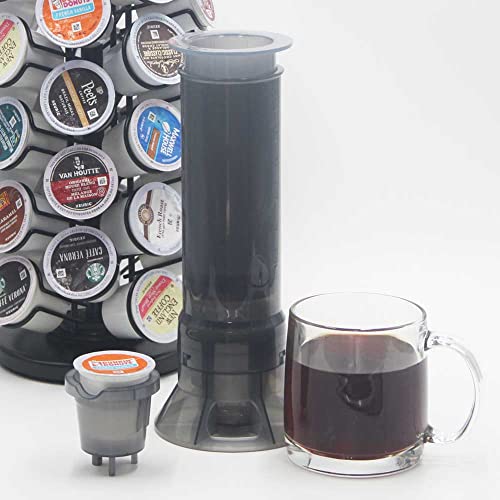
The BLACKSMITH FAMILY travel coffee press offers a manual, non-electric option for camping. Compatible with K-Cups or ground coffee, this device is designed for simplicity and portability. The brewing cycle is described as a quick 30-second process, providing an accessible path to a cup of coffee with minimal gear. The product supports a range of cup sizes from 4 to 12 oz and is marketed for easy cleaning, making it appealing for hikers and campers who want a straightforward, no-fuss coffee method without power requirements.
This option is ideal for those who want a lightweight, hands-on approach to coffee at camp. While it lacks the automation of electric units, its simplicity, reliability, and compatibility with familiar pods or grounds make it a dependable choice for backcountry mornings. The focus is on consistent flavor with a compact footprint that travels well in a backpack or small travel kit.
Buying Guide
Power options
- Battery-powered or cordless units (like the Makita option) offer true off-grid capability, but you’ll need compatible batteries and spare charges.
- 12V car-powered machines run off a vehicle’s electrical system, which is great for RVs or road trips but require access to a 12V supply or an inverter for some setups.
- Manual devices (like the BLACKSMITH FAMILY press) require no power at all, making them the most versatile for ultralight camping but often slower or more effort-intensive.
Brewing method and flavor
- Espresso-focused devices (most options here) deliver robust flavor and crema, but may require proper grind size and dosing for optimal results.
- Pods vs. grounds compatibility varies; capsules can be convenient but may limit flavor control. Grounds offer more customization but require filters and proper handling.
- Permanent filters eliminate paper waste, but quality of extraction still depends on water quality, grind size, and technique.
Portability and durability
- Weight and footprint matter for backcountry trips; lighter devices enhance backpacking viability, while bulkier units may be better suited to RVs.
- Durability and weather resistance are important for camping; look for rugged housings and splash resistance where possible.
Speed and practicality
- Quick brew times are valuable for busy mornings at the campsite. Some devices heat water rapidly (a few minutes) and deliver a cup in a short window.
- Consider the ease of cleaning. Units with built-in filters or simple disassembly speed up post-brew maintenance.
Water and maintenance considerations
- Water capacity and reservoir design affect how often you’ll need to refill during a trip.
- Regular descaling and filter care extend device life, particularly when using hard water or mineral-rich sources common at some campsites.
Usage scenarios and comparisons
- Solo campers may prefer compact, lightweight, battery-powered machines with easy one-handed use.
- Groups or families might opt for higher output units (like CONQUECO) that can deliver multiple cups per charge or session.
- Backpackers may lean toward manual or ultra-light devices to minimize weight, while car campers can choose more feature-rich electric models.